Analytics Reshape Player Pathways Linking Digital Slots, Card Competitions, and Sports Wagers Across Regulated US Areas
Written by Taylor Walter · Oct 30, 2026
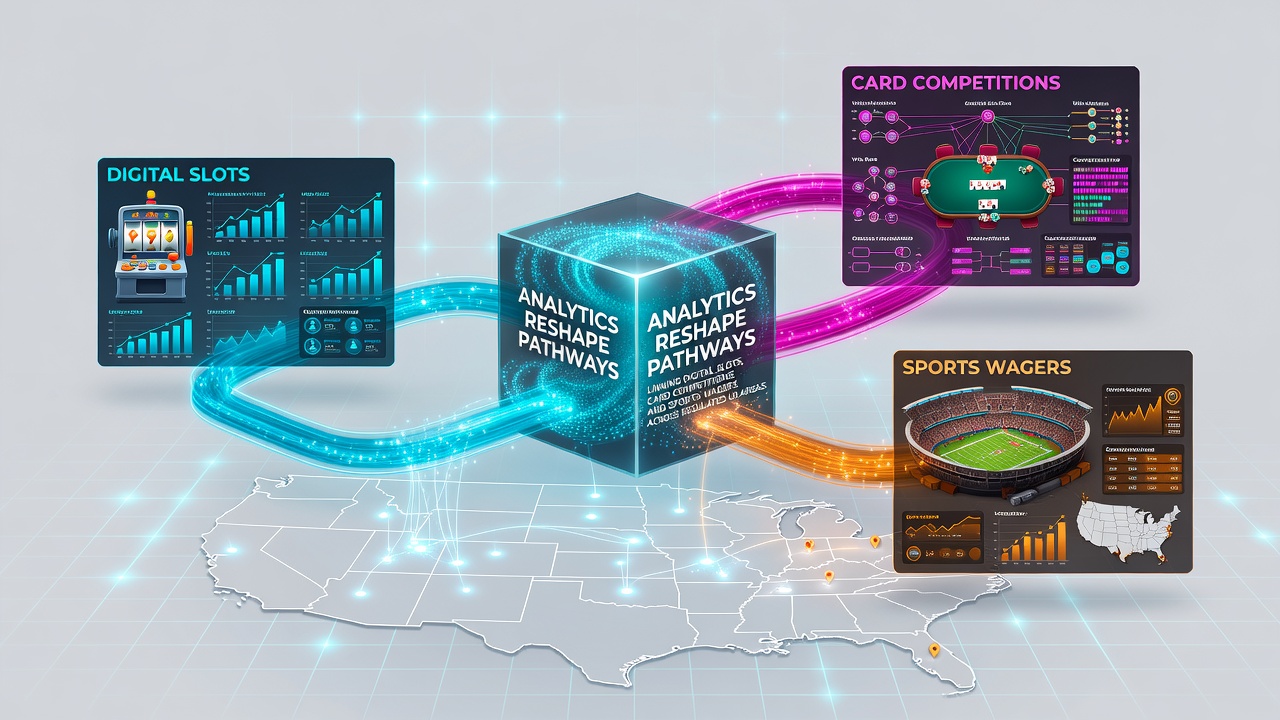
Analytics Reshape Player Pathways Linking Digital Slots, Card Competitions, and Sports Wagers Across Regulated US Areas
Analytics platforms now map player activity across digital slots, card competitions, and sports wagers in states where these products operate under unified regulatory frameworks, and operators use the resulting data streams to guide transitions between formats without violating state-specific rules.
Operators collect behavioral metrics such as session duration, wager size, and game selection sequences, then apply machine learning models that identify patterns likely to lead a slots player toward a poker table or a live sports event. These models operate on anonymized datasets that comply with each jurisdiction's data protection standards, and the outputs appear as personalized prompts within the same player account.
Data Integration Across Gaming Formats
Regulated platforms in New Jersey, Pennsylvania, and Michigan maintain separate ledgers for slots, table games, and sports betting yet share a common player identity layer that allows analytics engines to track movement between verticals. When a user completes a slots session, the system evaluates historical performance data and may surface a card tournament entry or an upcoming sports market that aligns with observed risk preferences.
According to the American Gaming Association, cross-vertical play increased in several East Coast markets during 2025, with analytics credited for a measurable portion of that growth. The same datasets also support responsible gaming tools that flag unusual activity across all three product types simultaneously.
Regional Implementation Patterns in 2026
By October 2026, several operators had expanded their analytics deployments following regulatory updates that clarified data-sharing rules between verticals. In Pennsylvania, geolocation requirements already enforce state boundaries, yet the same compliance layer now feeds real-time analytics that adjust offers based on a player's location and recent activity across slots and sportsbooks.
One study from the University of Nevada, Las Vegas examined account-level data from multiple states and found that players who received analytics-driven suggestions moved between slots and card events at higher rates than those who navigated without prompts. The research noted that sports wager prompts appeared most effective when timed shortly after a slots win, while card competition suggestions performed better after longer, lower-variance sessions.

Technical Mechanisms Behind Transitions
Modern player management systems rely on event-driven architectures that push micro-offers the moment a session metric crosses a threshold. A slots player who reaches a defined number of spins without a significant win might receive a low-stakes sports wager credit, whereas a frequent sports bettor showing interest in strategy games could see a sit-and-go poker invitation. These triggers operate within the same wallet and loyalty program, eliminating the need for separate logins.
Cloud-based analytics providers supply the underlying models, and state regulators review the algorithms during licensing audits to confirm they do not encourage excessive play. The models incorporate features such as time of day, device type, and prior deposit patterns, then output probability scores for each possible next activity.
Regulatory Oversight and Compliance
State gaming commissions require operators to maintain audit trails that document every analytics-driven recommendation. These logs allow regulators to verify that offers remain consistent with approved marketing plans and do not target individuals on self-exclusion lists across any vertical. In practice, the same identity verification systems used for sports wagering now serve slots and card rooms, creating a single source of truth for compliance checks.
Operators report that unified analytics reduce duplicate marketing spend because a single model can optimize offers across all three categories. This efficiency becomes relevant in smaller markets where player pools remain limited and retention depends on keeping accounts active across multiple product types.
Conclusion
Analytics continue to refine the connections between digital slots, card competitions, and sports wagers in every regulated US jurisdiction that permits all three products. The underlying data infrastructure, refined through 2026, supports both commercial objectives and regulatory requirements while preserving separate ledgers for each vertical. As additional states authorize online gaming, the same analytical frameworks stand ready to integrate new player pathways under the oversight of local authorities.