Mobile App Ecosystems Streamlining Promotional Credit Transfers Between Virtual Tables and Live Event Markets in Authorized Regions
Written by Ines Griffin · Oct 16, 2026
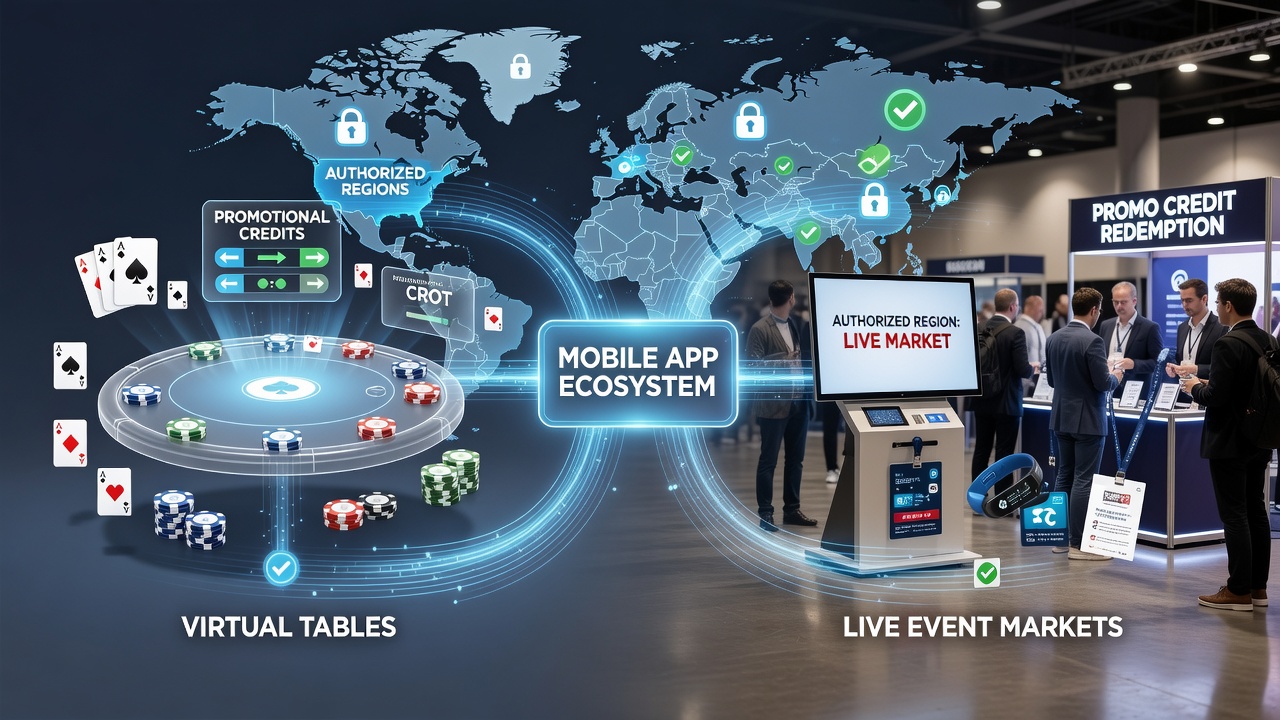
Mobile App Ecosystems Streamlining Promotional Credit Transfers Between Virtual Tables and Live Event Markets in Authorized Regions
In authorized regions mobile app ecosystems have established integrated systems that enable users to move promotional credits directly from virtual table environments to live event markets, and these platforms operate under state-specific regulations that govern such transfers as of October 2026. Developers have built unified account structures where credits earned in digital card rooms transition seamlessly into betting pools for athletic competitions, while compliance protocols track every movement to maintain regulatory standards across multiple jurisdictions.
Mechanics of Credit Integration in Mobile Platforms
Users initiate transfers through in-app interfaces that connect virtual table sessions with live event dashboards, and the process relies on real-time synchronization between casino-style modules and sportsbook components within the same application. Systems verify eligibility based on regional authorization rules before completing any exchange, which prevents unauthorized crossovers and ensures credits retain their promotional status throughout the journey. Data from platform operators indicates that these connections reduce the steps required for users who participate in both table formats and event wagering on a single device.
Backend ledgers maintain separate ledgers for each category yet allow one-way or bidirectional movements when permitted by the operating license, while geolocation checks confirm that sessions occur only within approved boundaries. Observers note that October 2026 updates in several states introduced enhanced API connections between table game providers and event market aggregators, which improved transfer speeds without altering the underlying credit values.
Regulatory Oversight Across Expanding Territories
State gaming authorities require detailed reporting on all promotional credit movements, and operators submit logs that detail volume, frequency, and destination categories to satisfy audit requirements. The New Jersey Division of Gaming Enforcement maintains public records on these activities that show consistent growth in integrated mobile offerings since initial approvals. Similar frameworks in Pennsylvania and Michigan mandate that promotional funds remain segregated until users complete specified playthrough conditions, regardless of whether the credits sit in table or event sections of an app.
Research indicates that these layered rules create standardized pathways that multiple platforms follow, and the result is greater consistency for users who switch between virtual tables and live markets within authorized zones. Regulatory bodies in different regions coordinate on technical standards for geofencing and identity verification, which supports the smooth operation of credit transfer features across state lines where reciprocal agreements exist.
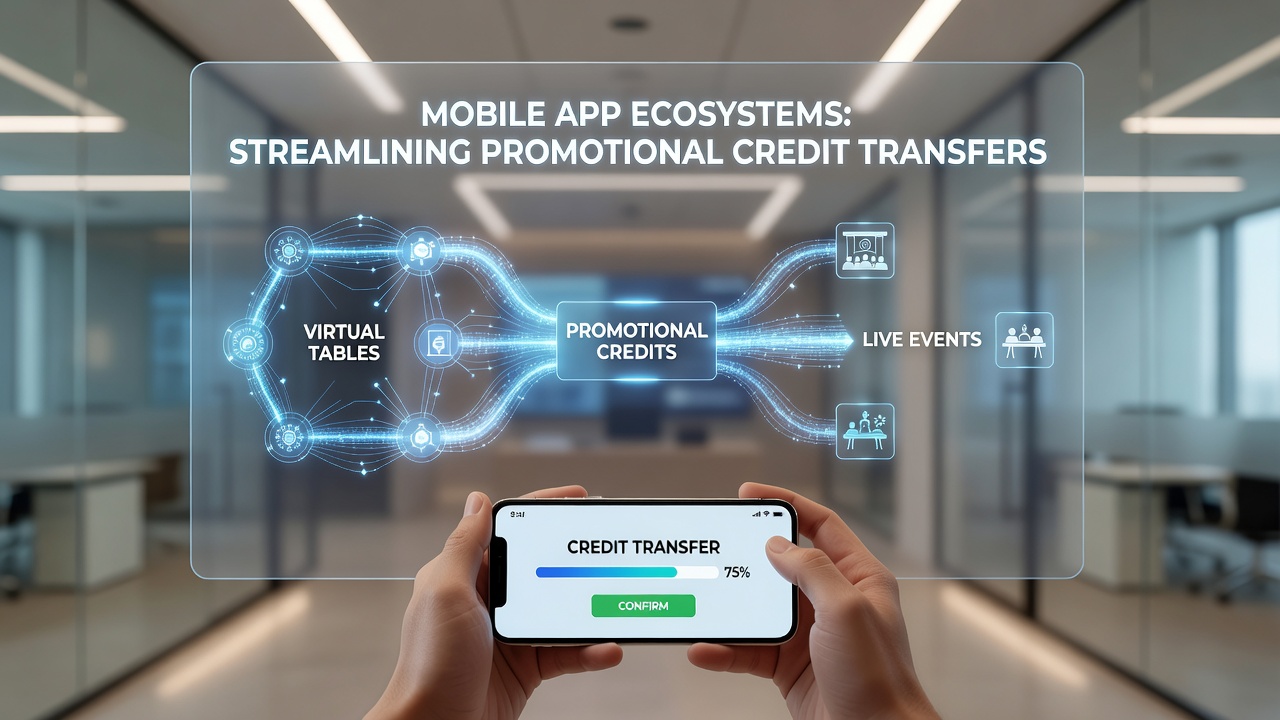
Technological Foundations Enabling Seamless Movement
Cloud-based account management systems serve as the core infrastructure that links virtual table outcomes with live event interfaces, and these setups employ encrypted channels to handle credit data in real time. Developers incorporate modular design elements that let table game engines communicate with event market engines through secure handshakes, which reduces latency during transfers and maintains session continuity for the user. Industry reports highlight that October 2026 deployments included upgraded tokenization methods that further protect credit integrity during cross-format exchanges.
Analytics engines embedded in the apps monitor usage patterns to optimize routing decisions, yet they operate within strict data privacy parameters set by each licensing authority. Those who have examined the architecture point out that single-wallet models have largely replaced fragmented accounts in newer releases, allowing credits to retain value across table and event segments without manual intervention from support teams.
Examples from Authorized Markets
Platforms licensed in multiple states demonstrate how one user profile can shift promotional credits earned at virtual blackjack tables into wagers on live sports events, and the same process works in reverse when event outcomes generate credits applicable to table play. According to figures from the Pennsylvania Gaming Control Board, integrated apps accounted for a measurable portion of total promotional activity during recent reporting periods. In other territories, operators have partnered with third-party providers to standardize transfer protocols, which helps smaller developers enter the market with compliant tools already in place.
Canadian provincial regulators such as the Alcohol and Gaming Commission of Ontario have examined similar cross-format features in their own jurisdictions, and their guidelines emphasize consumer protection measures that align with many US state approaches. This convergence allows technology providers to adapt core code across borders while adjusting for local licensing nuances.
Conclusion
Mobile app ecosystems continue to refine the pathways that connect promotional credits across virtual tables and live event markets in authorized regions, and the developments through October 2026 reflect ongoing collaboration between operators, regulators, and technology vendors. These systems prioritize compliance and operational efficiency, which supports broader participation in regulated gaming environments where such transfers are permitted. Data from multiple oversight bodies shows sustained expansion of these integrated features as more states finalize their frameworks.